
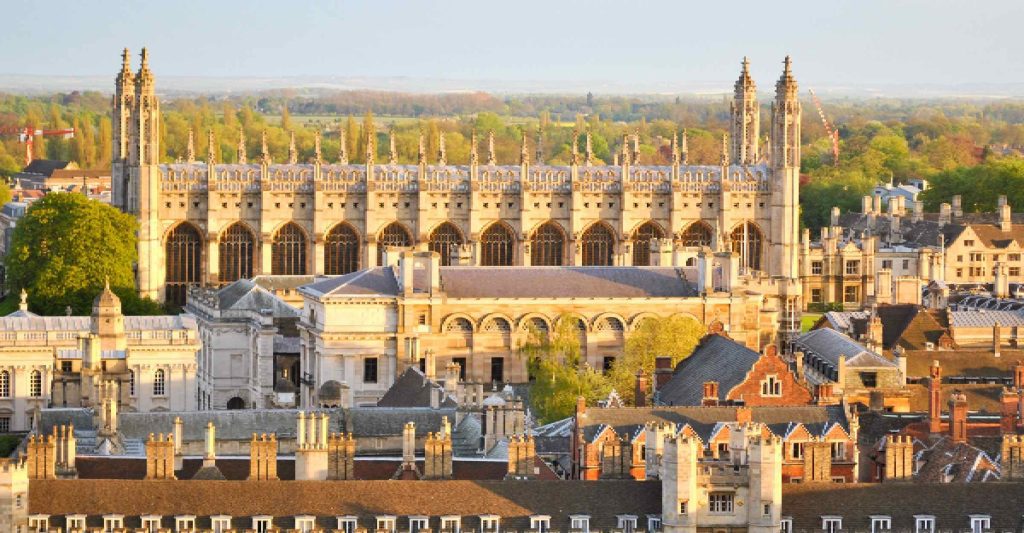
Cambridge is one of the world’s most inspiring academic cities. For international students aged 14–17, a summer school here can be more than a “camp”: it can be the first real taste of university-level learning, independent living, and career discovery in a global classroom.
This guide explains what a Cambridge summer school is really like (academics, accommodation, supervision, excursions), how to prepare, and how to choose the right pathway—especially if you’re aiming for competitive fields like Medicine, Business, or AI & Computer Science.
Why Cambridge is a powerful place to study before university
A pre-university experience in Cambridge can help students:
- test a subject interest before committing to a degree
- build academic skills that top universities expect (critical thinking, research, debate, presentation)
- gain confidence living and learning away from home
- meet peers from different countries with similar ambitions
- develop a clearer “direction” for future applications and career goals
Oxbridge Scholars is designed around that idea: pre-university academic preparation + real career development, delivered in Cambridge.
Who Cambridge summer schools are best for
Cambridge summer schools are a strong fit if you’re a student who:
- is aged 14–17 (Oxbridge Scholars programmes are designed for this age range)
- wants an academic experience, not only sightseeing
- is curious, motivated, and open to participating in discussions and group projects
- studies in any school system (GCSE, IB, A-Levels, or other international curricula)
- wants to explore a subject pathway (Medicine & Health, Business & Finance, or AI & Computer Science)
Importantly, formal grades/exams are not required for entry to Oxbridge Scholars—selection is based more on curiosity, attitude, and interest in the pathway.
What makes Oxbridge Scholars different from a traditional summer school
Many summer programmes focus on classroom learning + activities. Oxbridge Scholars is positioned as a boutique pre-university programme with small cohorts, academic depth, and structured career exposure (talks, workshops, mentoring) to help students connect learning to real-world pathways.
Oxbridge Scholars runs 13-day (2-week) programmes and offers three core academic pathways:
- Medicine & Health
- Business & Finance
- AI & Computer Science
Life in Cambridge: accommodation, meals, and daily support
For many parents and students, the biggest question is: what is day-to-day life actually like?
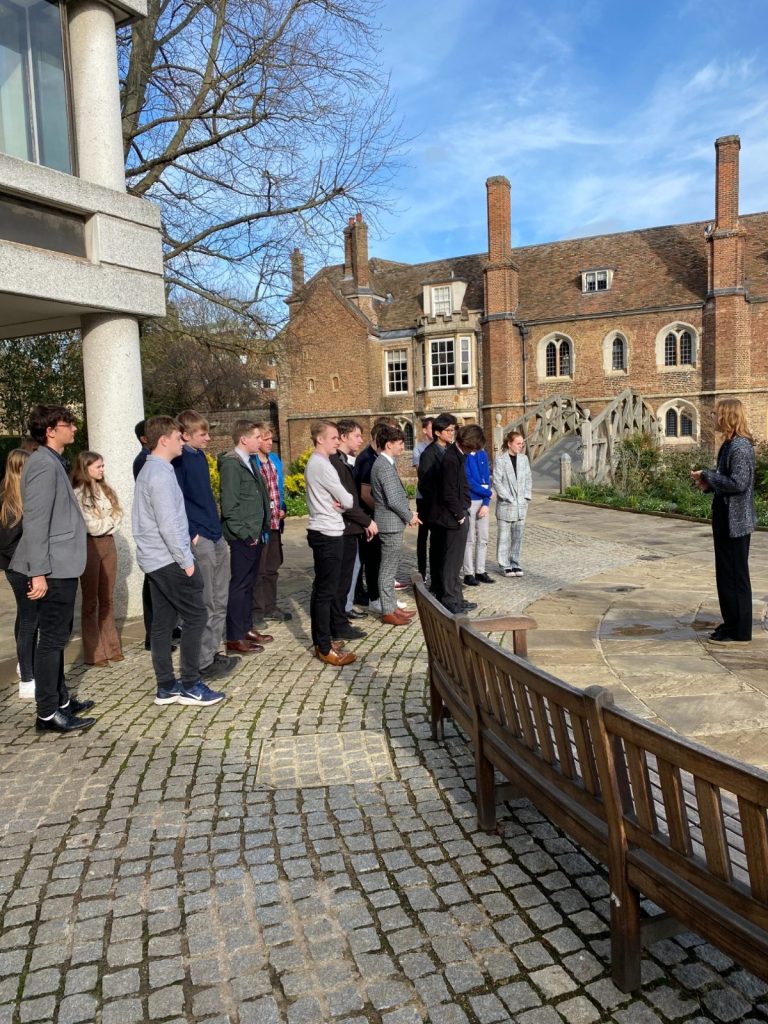
Oxbridge Scholars programme fees include accommodation at Queens’ College, University of Cambridge, three daily meals, course materials, certificates, cultural excursions, and 24-hour pastoral support.
That structure matters for international teenagers: you get independence, but with a clear framework and supervision designed for under-18s.
What “pastoral support” usually means in practice
While each programme handles this differently, 24-hour pastoral care typically covers:
- on-campus support and guidance outside lesson hours
- welfare check-ins and clear rules for safety
- help with homesickness, routine issues, and practical questions
- support during excursions and travel days (where applicable)
(Always check your programme’s published safeguarding and policies for exact details; Oxbridge Scholars links these from the brochure/policies area.)
Academics: what a pre-university “academic taster” looks like
A Cambridge summer school should not feel like school repeating itself. The best programmes are built around:
- discussion-based learning and seminars
- problem-solving tasks and case studies
- short research projects and presentations
- workshops that simulate real university-style learning
Oxbridge Scholars’ pathways are designed to let students “test” the subject—so they don’t choose a university degree blindly.
Pathway 1: Medicine & Health
A strong Medicine & Health taster typically includes:
- basic medical sciences foundations (e.g., human biology, health systems)
- medical ethics and decision-making scenarios
- teamwork around patient cases (age-appropriate, not clinical training)
- healthcare innovation themes (public health, biotech, future medicine)
This pathway is especially valuable if you’re considering Medicine but want to understand what studying it actually involves.
Pathway 2: Business & Finance
A good Business & Finance taster usually includes:
- how businesses create value (strategy, operations, leadership)
- introduction to finance concepts (risk, markets, decision-making)
- mini “case” projects where students pitch solutions
- exposure to real industry scenarios and professional-style workshops
Pathway 3: AI & Computer Science
A strong AI/CS taster commonly includes:
- algorithmic thinking and problem-solving
- coding fundamentals (often Python or similar)
- an introduction to AI ideas (data, models, ethical questions)
- small projects that produce a tangible output
Career development: how it should work (and why it matters)
For competitive universities, it’s not enough to say “I like Medicine/Business/Computer Science.” Students need evidence of exploration and maturity: a clear story about why the subject fits them.
Oxbridge Scholars emphasises career workshops, mentoring, and professional exposure as part of the included experience.
A well-designed career element might include:
- mentor-style conversations (strengths, interests, future plans)
- CV/personal statement guidance at an age-appropriate level
- “what the job is really like” sessions (day-in-the-life, pathways, skills)
- reflection tasks: what you learned, what surprised you, what changed your mind
Excursions and cultural experiences
Cambridge summer schools should balance study with experiences. For Oxbridge Scholars, entry information references 2 full-day and 1 half-day excursion per week.
Excursions are not only “fun days out”—they often help students:
- bond with peers
- practise English in real settings
- gain cultural familiarity (useful for future UK study)
- recharge between academic sessions
For students who are new to the UK, this balance can make the programme more sustainable and enjoyable over two weeks.
Sample 1-day timetable (example)
Exact schedules vary, but a strong two-week programme often looks like:
- 08:00–09:00 Breakfast
- 09:00–12:00 Academic sessions (seminar + workshop)
- 12:00–13:00 Lunch
- 13:00–15:00 Project work / lab-style workshop / group task
- 15:00–16:30 Career session (guest talk / mentoring / skills workshop)
- 16:30–18:30 Activities / free time (structured options)
- 18:30–19:30 Dinner
- 19:30–21:00 Evening programme (debate, quiz, cultural event, reflection)
Your best “quality check” is whether the programme shows a clear academic structure and a clear under-18 supervision framework.
What to pack for a Cambridge summer school (teen-friendly checklist)
Cambridge weather can change quickly. Aim for layers.
Essentials
- passport + visa documents (if needed)
- chargers + UK plug adapter
- comfortable walking shoes
- light waterproof jacket
- day bag for excursions
- refillable water bottle
Study items
- notebook or tablet for notes
- basic stationery
- any pre-course materials the programme sends
Optional (but useful)
- smart-casual outfit for a formal dinner/event (if offered)
- small umbrella
- medication with clear instructions + copies of prescriptions
- a small personal comfort item (helps with homesickness)
How to choose the right Cambridge programme (quick decision framework)
Before booking, check these points:
- Age fit
Is the programme built specifically for 14–17, with under-18 policies and supervision? - Academic credibility
Does it show what students actually study (not vague promises)? - Outcome clarity
Do students finish with a project, presentation, certificate, feedback, or a clear record of learning? - Career guidance (if that matters to you)
Does it include mentoring/career workshops, not only lectures? - Practical life support
Accommodation, meals, excursions, welfare support should be clearly explained.
How to apply to Oxbridge Scholars (high level)
Oxbridge Scholars provides a clear admissions path via: Entry Requirements → Dates & Fees → How to Apply → FAQs.
Key points from Entry Requirements:
- no formal grades/exams required
- students from all curricula can apply
- applicants should show curiosity, enthusiasm, and pathway interest
FAQs
Is Oxbridge Scholars affiliated with the University of Cambridge?
The programme is hosted in Cambridge with accommodation at Queens’ College, University of Cambridge.
How long is the programme?
Oxbridge Scholars programmes are listed as 13 days (2 weeks).
What’s included in the fee?
The programme fee includes the academic pathway, Queens’ College accommodation, meals, career workshops/mentoring, excursions, materials, certificate, and 24-hour pastoral support.
Do students need top grades to join?
Formal grades/exams are not required; selection focuses on motivation, attitude, and interest in a pathway.
